
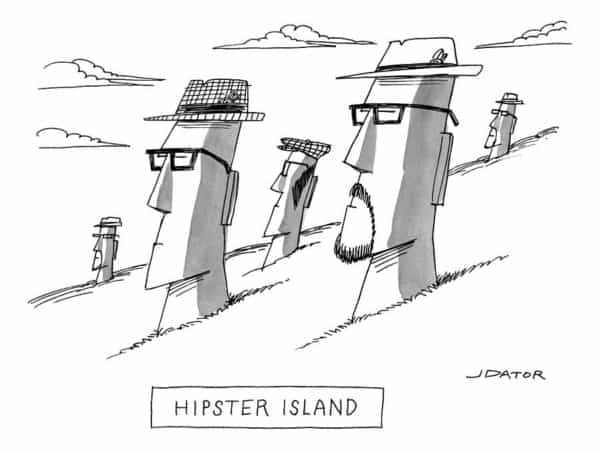
Subtle. Understated.

Theology That Bites Back
“Robert walked out of the 7-Eleven with an order of cheese pump nachos, a hot dog, and a couple of packets of those chocolate thingies with a half-life of seventy-five years”
“Because the lead attorney in that firm—Joe Shattuck, Esq.—spoke with a thick Mississippi accent, this always put urban sophisticates off their guard. Shattuck had made a lot of money that way . . . Not that they knew it at the time, but Shattuck had pulled all their shirts up over their heads and rolled all their socks down, creating a little black wool bead around the tops of their expensive Italian shoes. Shattuck, for his part, during a weekly lunch with his partners at a local catfish emporium, was fairly expressive in how he explained what had happened: ‘Those boys couldn’t pour piss out of a boot if the instructions were written on the heel.’”
“With that, Radavic swiveled his head and looked straight at Rourke with what he thought was a steely, gray-eyed gaze, like in those TV legal-office drama shows, at an especially tense moment when one of the handsome actors rivets another handsome actor with an unshakeable and hardened resolve and says, ‘Dammit, Trevor, this is our job!’”

Letter to the Editor: Erasmus said of Luther, "God has sent in this latter age a violent physician on account of the magnitude of the existing disorders." We still celebrate Luther, that ...
“‘Those there that do have brains—and of those there are more than a few—are running a game that would make a cardinal’s mistress envious’
Bradford raised one eyebrow slightly. Cardinals had mistresses?”

Introduction: In many ways, the ground appears to be shifting beneath our feet. We are not only alive in tumultuous times, we are alive in very strange times. Given how bizarre things have become, ...
“A certain kind of life always goes back to high school, a fact often overlooked by otherwise insightful biographers. Grown-up life is just a continuation of high school, a fact overlooked by everyone else.”
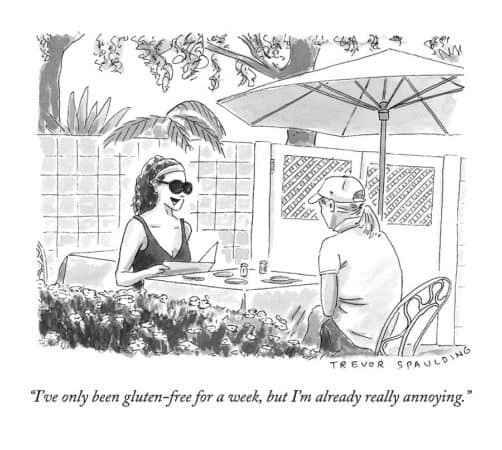
“Prosecutor Radavic leaned forward, squeaking his chair with authoritative mien. His long fingers were splayed, hands together, fingertip to fingertip, as though a spider were sideways on a mirror, doing push-ups in an agitated manner. His hair, just a tad longer than it really ought to have been, was slicked back on each side, giving the appearance of an attempted comb-over without actually going for it.”